- 27 Jul 2026 to 31 Jul 2026
- 05 Days
- On-Campus
- Certificate by CEPT University
- INR 69000 + GST
An early-bird discount of INR 14,000 on the abovementioned fee is available until 07 July 2026. - For professionals, researchers, and decision-makers in urban planning, infrastructure, smart cities, or geospatial sectors. Applicants should have a bachelor’s degree or equivalent experience. Prior knowledge of GIS or related technologies is a plus but not required.
About
As India advances its Digital India and National Geospatial missions, Digital Twin technologies are transforming urban planning, infrastructure management, and disaster resilience through 3D GIS, LiDAR, UAVs, IoT, and AI. CEPT Professional Programs’ 3D Visualization and Digital Twin program offers a studio-based, hands-on learning approach covering data acquisition, 3D modelling, GIS visualisation, and IoT integration, enabling participants to solve real-world urban and infrastructure challenges using advanced spatial technologies.
Program Faculty

Dr. Shivangi Somvanshi
GeoAI Application
Principal Researcher, CRDF CEPT
Manushi Bhatt
Urban GIS
Assistant Professor, CEPT UniversityGuest Speakers
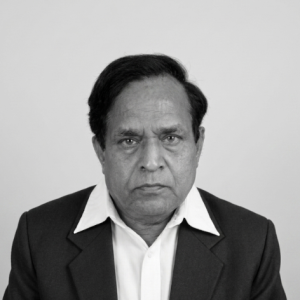
Dr. Shiv Mohan
Remote sensing
Former ISRO Scientist & Visiting Faculty, CEPT
Abhishek Sindal
Enterprise GIS Delivery
Director - Geospatial Services
Manthan Soni
Enterprise GIS
SVP – Geospatial India & International, Amnex
Mayank Sakla
Drone-based mapping
Founder & Director, AccionLAND
Jayneel Shah
LiDAR scanning
Founder, Urban Flight
Priyanka Tinekar
ArcGIS solutions
Group Manager – Esri India
Shubhangi Mane
3D GIS visualization
Specialist – Esri IndiaProgram Structure
The modules are as follows
-
Module 1 - Foundations of 3D GIS & Digital Twins
Build a strong conceptual and strategic foundation in 3D geospatial thinking and digital twin ecosystems. This module introduces professionals to GIS-based 3D modelling and the transformative role of digital twins across cities, infrastructure, utilities, environment, and asset management systems.
Through expert-led sessions and real-world case studies, participants will explore how organizations are leveraging digital twins for improved planning, monitoring, and decision-making. Key spatial data types and the concept of Level of Detail (LOD) are introduced to help participants understand scalability in modelling.
Hands-on sessions initiate participants into 3D modelling workflows using industry tools, including sourcing open datasets, data creation, and format conversion. By the end of the module, participants will be able to interpret and position 3D GIS as a decision-support tool within complex professional contexts. -
Module 2 - 3D Model Preparation & Analytical Workflows
Develop practical expertise in preparing and structuring 3D spatial data for real-world applications. This module focuses on end-to-end workflows—from data acquisition to model creation—equipping participants with the technical skills required to build usable and scalable 3D models.
Participants will gain hands-on experience in preparing LOD 1 models using ArcGIS Pro, working extensively with 3D Analyst tools for spatial analysis. The module integrates industry perspectives through expert sessions on applied 3D modelling, helping participants connect technical workflows with sectoral use cases such as urban planning, infrastructure management, and environmental analysis.
By combining guided exercises with applied problem-solving, this module ensures participants can confidently create, process, and analyse 3D datasets for professional applications. -
Module 3 - Advanced Survey Technologies & Data Acquisition for 3D Modelling
Gain hands-on exposure to cutting-edge survey technologies that power high-precision 3D models. This module immerses participants in the field and lab environments to understand how accurate spatial data is captured, processed, and utilized.
Participants will learn the fundamentals of DGPS surveying and UAV/drone-based data collection, followed by live field exercises and drone data processing workflows. The module further introduces LiDAR technology through expert-led sessions and demonstrations, including point cloud generation and post-processing techniques.
The integration of IoT sensors is also explored to demonstrate how real-time data feeds enable dynamic digital twins. By the end of this module, participants will understand how to select, apply, and integrate advanced data acquisition methods to enhance model accuracy and reliability across projects. -
Module 4 - Advanced Survey Technologies for 3D Modelling
Translate 3D data into actionable insights using industry-leading platforms and applied use cases. This module introduces participants to powerful tools such as ArcGIS CityEngine and ArcGIS Urban for rule-based modelling, scenario simulation, and planning visualization.
Through expert demonstrations and applied sessions, participants will learn how to generate 3D urban environments, evaluate development scenarios, and assess the impact of planning decisions. The module emphasizes the role of 3D GIS in enabling design exploration, stakeholder communication, and evidence-based policymaking.
By the end of the module, participants will be equipped to integrate 3D modelling into professional workflows, enabling them to support complex decision-making processes across domains such as urban development, infrastructure planning, and smart city initiatives.
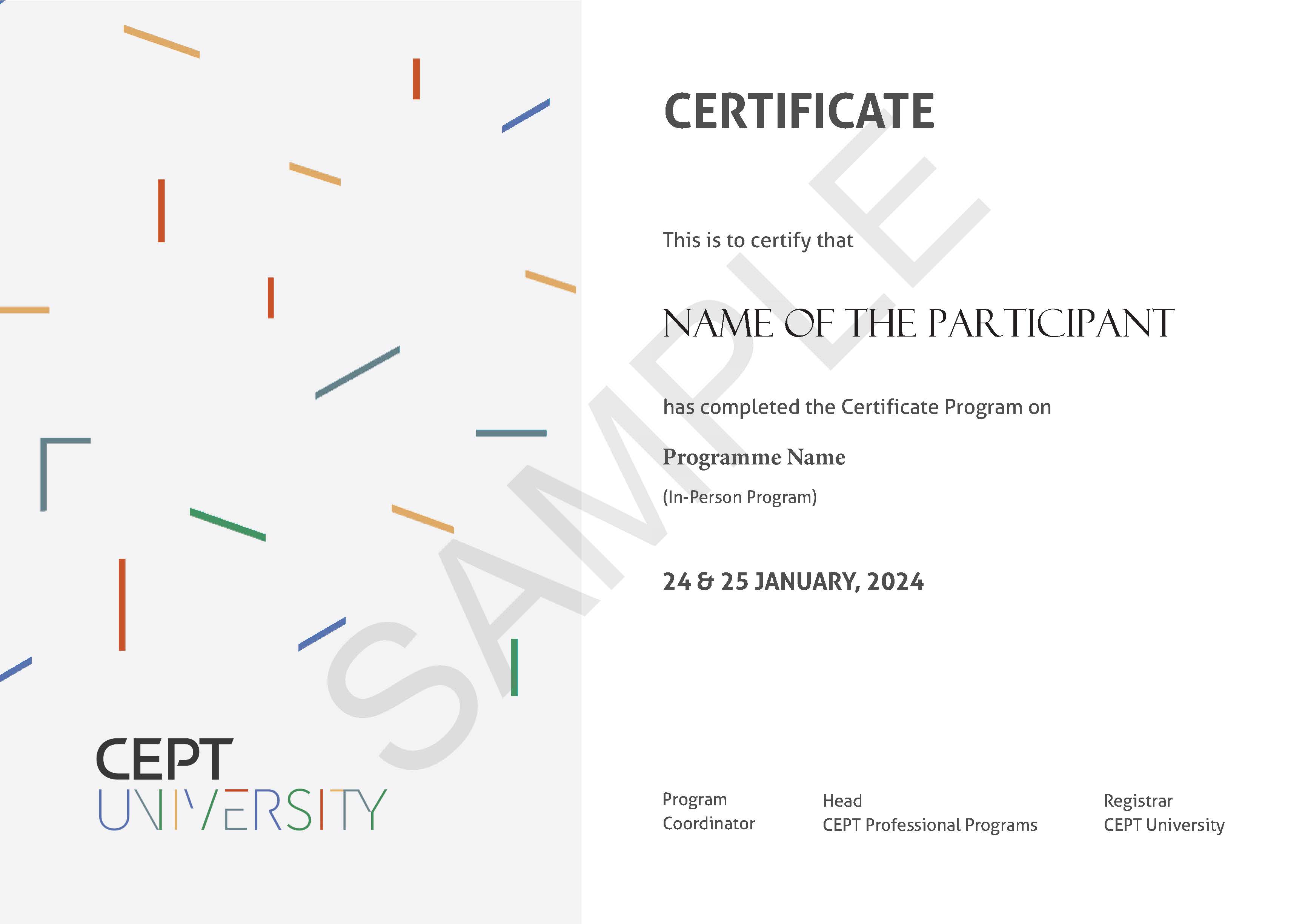
Sample Certificate